Category: episodes

  • From CDC to ECDC: Establishing Credible, Independent, Public Health Guidance

    From CDC to ECDC: Establishing Credible, Independent, Public Health Guidance

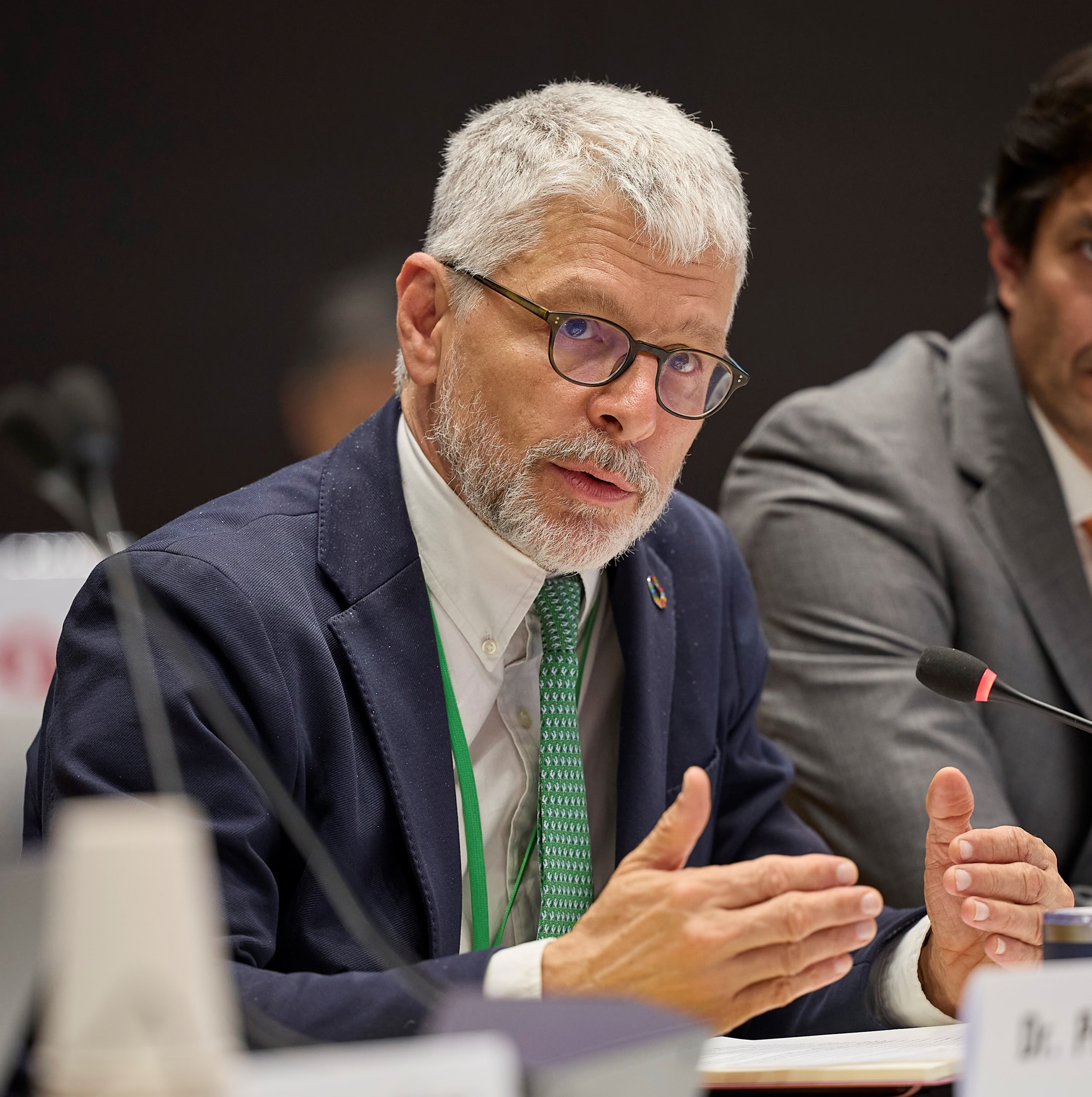
    Public health advice only works if people trust it. In this episode, the chief scientist of the European Centre for Disease Prevention and Control (ECDC), Dr. Piotr Kramarz, describes how the ECDC meets challenges while protecting its independence and maintaining transparency, coordinating guidance across roughly 30 European countries. He shares lessons from the COVID-19 pandemic, and describes why good evidence alone no longer changes behavior; social and behavioral science is essential to public health communication. He also discusses his early career in CDC’s Epidemic Intelligence Service (EIS), where he learned about the value of digital health for epidemiologic studies while investigating vaccine safety for rotavirus and influenza vaccines.  

    Intro music composed by Kevin MacLeod, outro music performed by Duo Yumeno.

    Audio Players
    Spotify Apple Music
    replay_10
    play_arrow
    forward_10
    close
  • From Secretary to Executive Nurse: Learning the Chronic Care Model at an FQHC

    From Secretary to Executive Nurse: Learning the Chronic Care Model at an FQHC

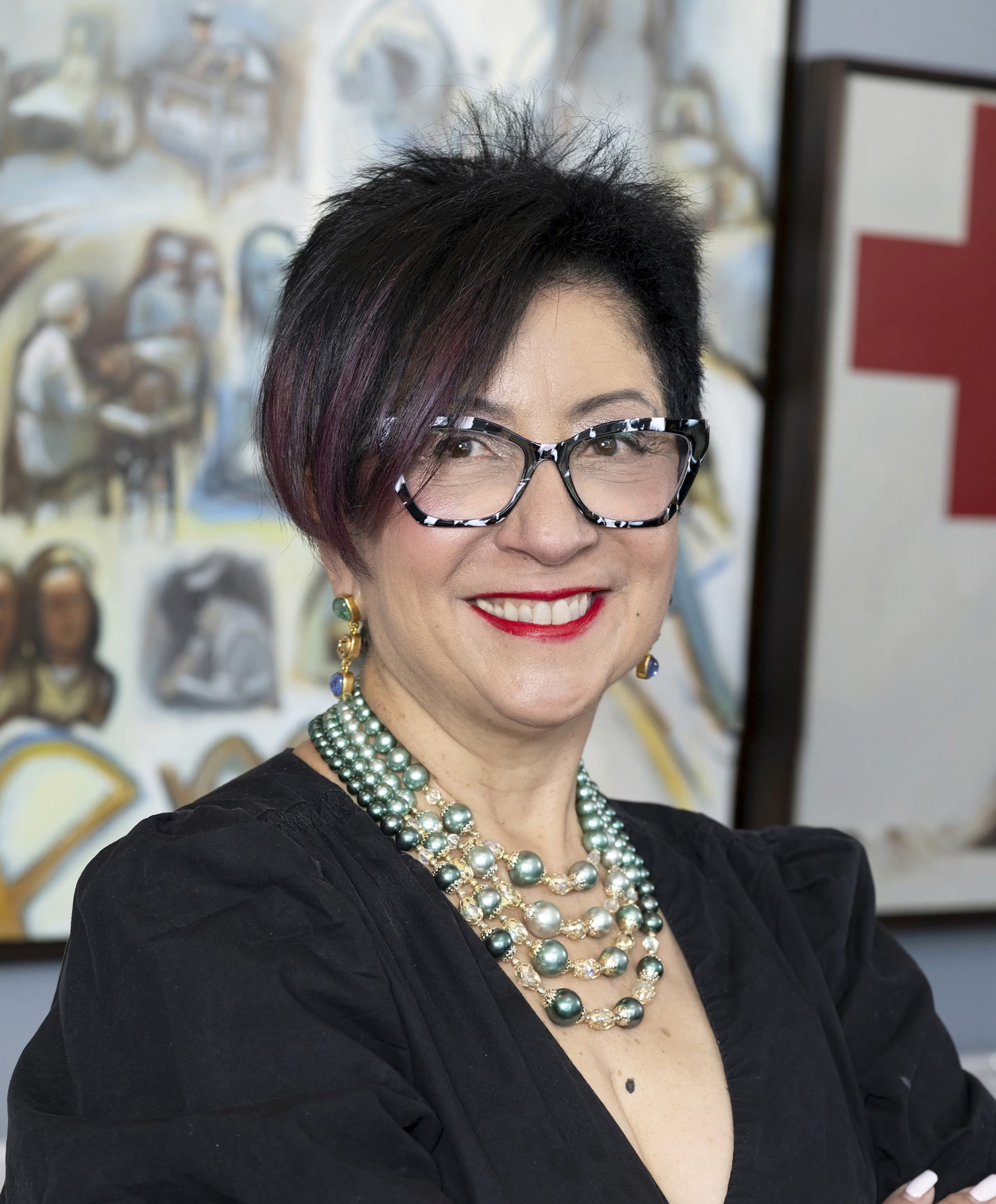
    Wanda Montalvo didn’t set out to work in healthcare, but she took a job as a clinic secretary at an FQHC in Brooklyn to avoid a Manhattan commute. That front-desk experience taught her more about health system gaps than any textbook, and it set her on a path to nursing school, a PhD, and executive leadership at the Leonard Lauder Community Care Nurse Practitioner Program at the University of Pennsylvania. She describes intuitively applying Dr. Ed Wagner’s chronic care model at a federally qualified health center—after hearing Dr. Wagner describe the pillars for success, they added information processing and evaluation components. Home visits were essential to uncovering triggers for pediatric asthma, from living above a laundromat to in an apartment without a front door. She now views herself as a “super-connector” across academia, government, and philanthropy. She speaks candidly about nurse burnout, a potential nursing workforce crisis, & the impending tsunami of Medicaid coverage losses that keeps her up at night. 

    Music composed by Kevin MacLeod .

    Audio Players
    Spotify Apple Music
    replay_10
    play_arrow
    forward_10
    close
  • Healing Across Cultures: A Pediatrician’s Journey through Migrant, Native Hawaiian, and Tribal Healthcare

    Healing Across Cultures: A Pediatrician’s Journey through Migrant, Native Hawaiian, and Tribal Healthcare

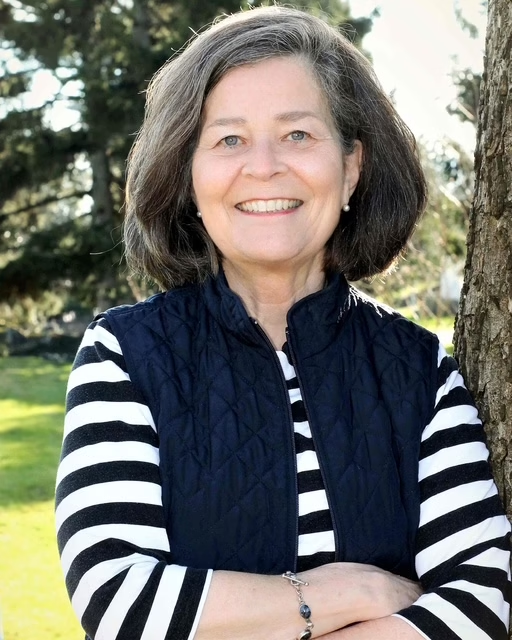
    After graduating from Wake Forest Medical School, pediatrician Jennie McLaurin spent her career serving migrant farmworker families, Native Hawaiian communities on Molokai, and the Lummi Nation in Washington State. In this conversation with host William Trick, she discusses the hidden dangers facing child farmworkers, why “talk story” builds trust, the importance of family care in these communities, how she navigated vaccine hesitancy without judgment, and the ideas behind her book Designed to Heal, which draws a parallel between the biology of wound healing and healing societal traumas. A tender look at what it means to practice medicine as a companion to patients and their families, and the professional and personal rewards of policy advocacy to impact populations.   

    Music composed by Kevin MacLeod .

    Audio Players
    Spotify Apple Music
    replay_10
    play_arrow
    forward_10
    close
  • How Community Health Centers Began: The War on Poverty’s Lasting Legacy

    How Community Health Centers Began: The War on Poverty’s Lasting Legacy

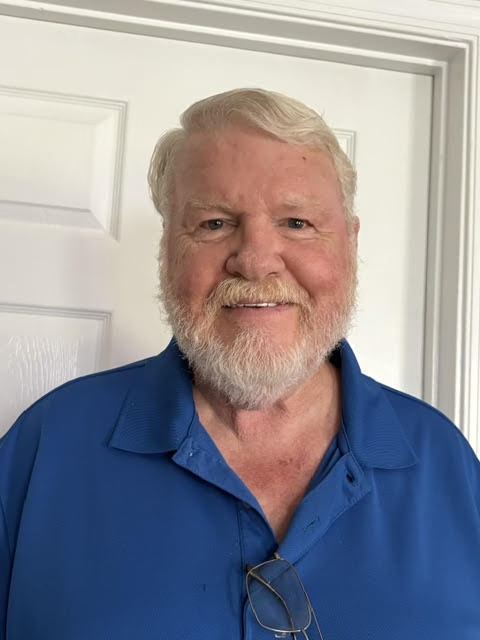
    In this episode of Inspired to Heal, host Bill Trick sits down with Dan Hawkins, former Senior Vice President for Public Policy and Research at the National Association of Community Health Centers (NACHC), to trace the 60-year history of the community health center movement. Hawkins shares stories from the program’s 1965 War on Poverty origins in Boston and Mound Bayou, Mississippi, through the rise of migrant health centers, rural health clinics, and Community Health Centers, often also Federally Qualified Health Centers (FQHCs). Hear how the Affordable Care Act expanded teaching health centers and physician training, and why access to comprehensive primary care remains critical for underserved populations. Essential listening for public health students, safety-net providers, and healthcare policy professionals interested in the history of health equity in America. 

    Music composed by Kevin MacLeod .

    Audio Players
    Spotify Amazon Apple Music
    replay_10
    play_arrow
    forward_10
    close
  • Ethical Human Research: IRB Leaders at Cook County Hospital

    Cook County Hospital’s former Institutional Review Board (IRB) leaders discuss the principles and structures that protect participants during research. How does a major public safety-net institution protect marginalized populations from unethical research? Audrey French and Mildred Williamson share vital insights into the everyday application of the core ethical pillars from the Belmont Report that underpin modern research: Beneficence, Justice, and Respect for Persons. Discover how a frontline public hospital balances scientific advancement with the absolute duty to protect marginalized populations.

    You can listen to Mildred Williamson’s prior episode “Healing Women with HIV/AIDS” on Apple, Spotify, or through the Inspired to Heal website.

    Audio Players
    Spotify Amazon Apple Music
    replay_10
    play_arrow
    forward_10
    close
  • Cook County Hospital Medical Bag: Mission Possible (Updated)

    Cook County Hospital Medical Bag: Mission Possible (Updated)

    What literal or figurative tool is essential for a long, fulfilling career in medicine? In this episode, healthcare veterans from Chicago’s legendary Cook County Hospital—including doctors, nurses, social workers, legal counsel, and a communications executive—reveal the items you should carry with you in your medical bag to survive and thrive. 

    Together, these frontline experts distill hundreds of years of collective healthcare experience into advice for working in mission-oriented health systems. Whether you are looking for medical career longevity tips or seeking inspiration to fuel your passion for patient care, this episode delivers the blueprint for a deeply rewarding medical career

    Intro music composed by Kevin MacLeod and downloaded at https://incompetech.com/.

    Audio Players
    Spotify Amazon Apple Music
    replay_10
    play_arrow
    forward_10
    close
  • Koch Institute Disease Detective: Poisons, Choirs & Sprouts

    Koch Institute Disease Detective: Poisons, Choirs & Sprouts

    In this episode, veteran disease detective Dr. Udo Buchholz from Germany’s Robert Koch Institute (RKI) unpacks five outbreak investigations spanning Los Angeles to Germany. 

    Dr. Buchholz reveals the twists of tracking intentional poisoning cases in the workplace—including toxic dynamics of both boss and employee malfeasance. Discover how intentional food poisoning in a restaurant led to a unique methodology for tracking foodborne illnesses. An approach that helped health officials solve an international E. coli outbreak linked to contaminated fenugreek sprouts. 

    Finally, we go inside the science of airborne transmission. Dr. Buchholz breaks down his detailed epidemiological study on how SARS-CoV-2 (COVID-19) spread rapidly among members of the famous Berlin Cathedral Choir (Berliner Domkantorei). 

    Listen in to hear how solving complex health crises requires a massive network of experts—ranging from Berlin engineers, CDC scientists, to a health official in Thailand. 

    Intro music composed by Kevin MacLeod and downloaded at https://incompetech.com/.

    Audio Players
    Spotify Amazon Apple Music
    replay_10
    play_arrow
    forward_10
    close
  • Infectious Outbreak Responses Inform Opioid Crisis Control

    Infectious Outbreak Responses Inform Opioid Crisis Control

    How do lessons from combating Ebola and MERS stop opioid overdoses? Former Chicago Department of Public Health Commissioner and CDC official, Dr. Allison Arwady reveals how applied public health methods can defeat the deadliest drug epidemic in U.S. history. 

    The illicit drug trade changed forever with the increased introduction of synthetic opioids. Opioid overdoses quickly became the leading cause of death among young adults, eventually claiming over 100,000 American lives per year. Discover how Dr. Arwady treats the opioid overdose crisis like a lethal infectious disease outbreak, using frontline epidemiology and data-driven pandemic response tactics to save lives.

    Intro music composed by Kevin MacLeod and downloaded at https://incompetech.com/. Outro music performed by Duo Yumeno, https://duoyumeno.com/

    Audio Players
    Spotify Amazon Apple Music
    replay_10
    play_arrow
    forward_10
    close
  • Preventing Hepatitis: WHO’s International Injection Interventions

    Preventing Hepatitis: WHO’s International Injection Interventions

    How do global public health leaders stop the spread of bloodborne viruses? In this episode of the Inspired To Heal podcast, Dr. William Trick interviews Dr. Yvan Hutin from the World Health Organization (WHO) to expose how unsafe injection practices—like reusing syringes and sharing contaminated medication vials—drive global Hepatitis B and C transmission. Discover how strategic public health campaigns, insights from agencies like WHO and the CDC (Centers for Disease Control and Prevention), and a massive immunization program led by the Global Alliance for Vaccines and Immunization impacted hepatitis B in China, preventing liver cirrhosis and cancer. 

    Intro music composed by Kevin MacLeod and downloaded at https://incompetech.com/

    Audio Players
    Spotify Amazon Apple Music
    replay_10
    play_arrow
    forward_10
    close
  • CDC’s Early Investigations into HIV-AIDS in New York City: Defining the Pandemic

    CDC’s Early Investigations into HIV-AIDS in New York City: Defining the Pandemic

    Dr. Pauline “Polly” Thomas began her career with the Centers for Disease Control and Prevention (CDC) in New York City in 1981—the exact year the HIV/AIDS crisis first surfaced in public health reports. 
    As one of the world’s first medical field investigators, Dr. Thomas worked on the front lines to identify how the virus spread. Her evaluations were instrumental in proving that HIV was transmitted via blood and body fluids rather than casual contact.  She was in the field for critical early investigations identifying transmission by intravenous (IV) drug use, heterosexual contact, mother-to-infant transmission, and blood transfusions. She also evaluated a possible link to alkyl nitrites (“poppers”) and the controversial classification of Haitian nationality as a risk factor. Most importantly, Dr. Thomas’s persistent research proved that HIV could not be transmitted through casual contact, a discovery that fundamentally protected human rights and combated global stigma. 
    While the world has seen tremendous progress in HIV prevention and treatment, these life-saving advancements now face threats, from underutilized pre-exposure prophylaxis to the withdrawal from the U.S. President’s Emergency Plan for AIDS Relief (PEPFAR), the program launched by President George W. Bush in 2003 that has saved millions of lives worldwide.

    Intro music composed by Kevin MacLeod and downloaded at https://incompetech.com/

    Audio Players
    Spotify Amazon Apple Music
    replay_10
    play_arrow
    forward_10
    close